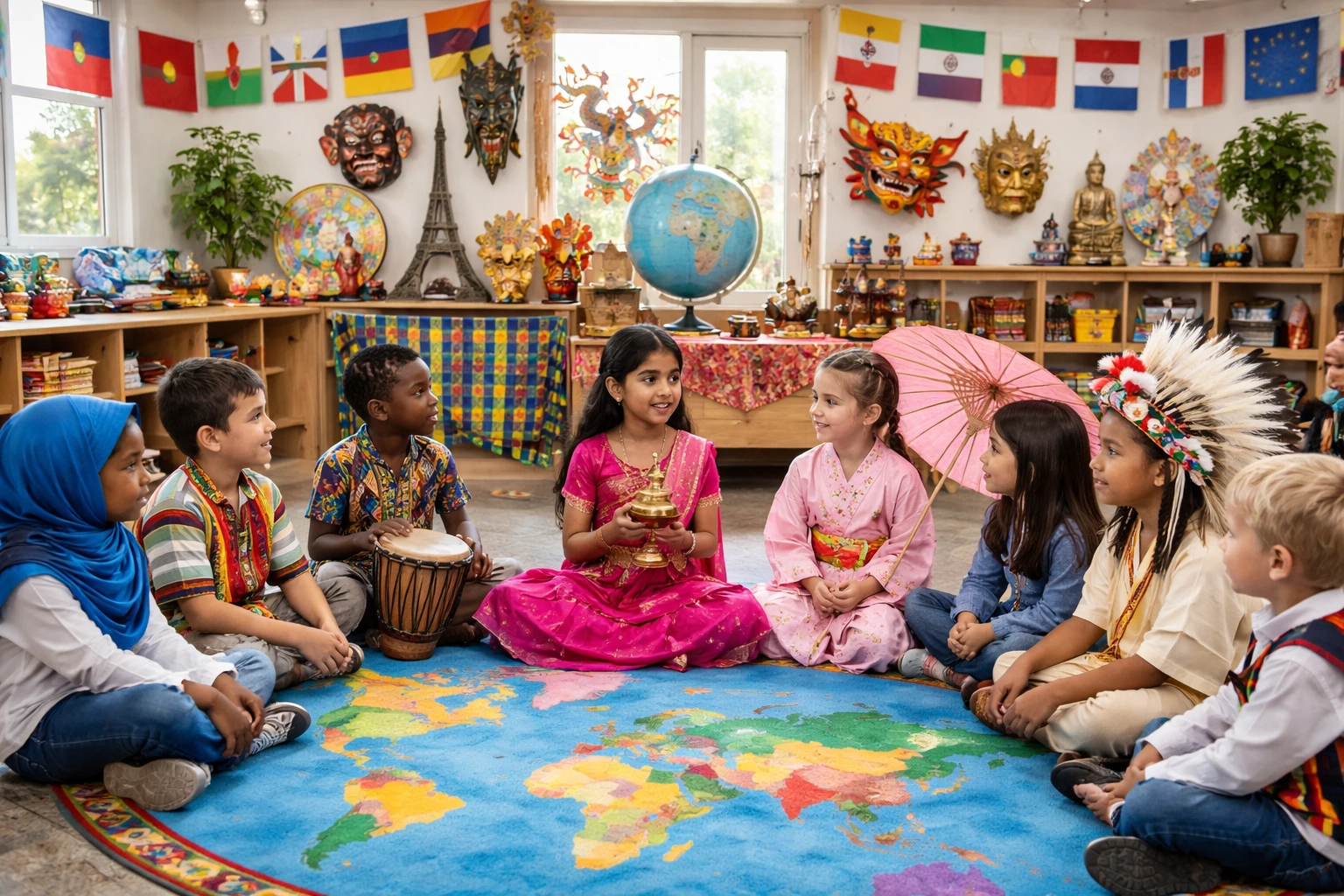
Education programs build cultural and social awareness by exposing students to different traditions, values, and ways of thinking from an early age. Cultural education, in particular, gives children the tools to understand people from different backgrounds.
Without this foundation, many young people end up feeling lost later in their lives. They struggle to connect, and that’s when their confidence takes a hit.
And we get it. You want your children prepared for the real world, not just exams. Watching them feel unsure in new environments is tough, and finding the right support can feel overwhelming. That’s why this article covers how schools build this awareness through interdisciplinary learning, social responsibility projects, and open communication.
Stick around, there’s plenty to unpack.
What Is Cultural Education and How Does It Help Students?
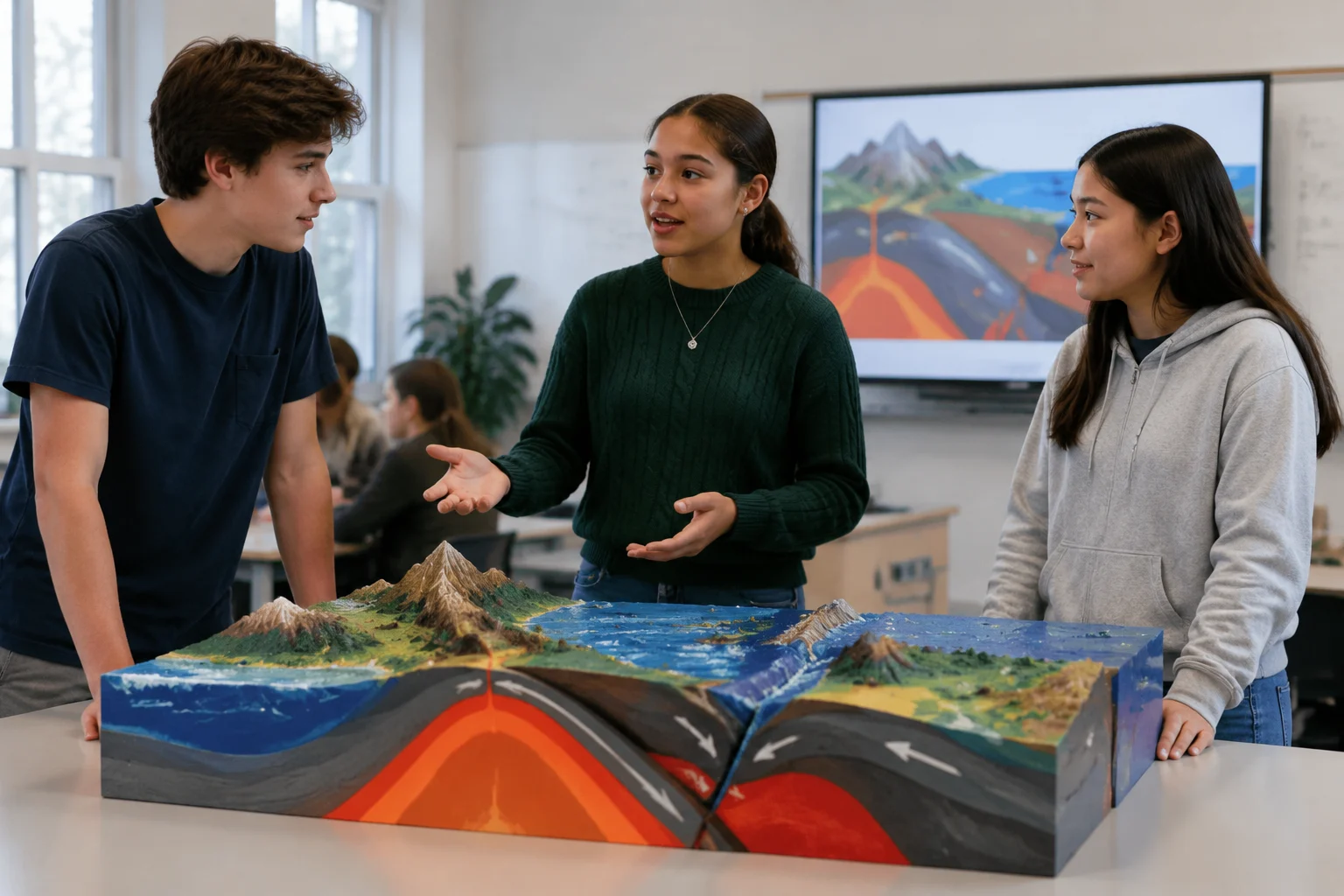
Cultural education is structured learning about traditions, histories, and values from communities different to your own. Schools use it to help children develop awareness of the outside world.
But what does this look like in practice, you ask? Well, students explore how other cultures approach family life, work, and community responsibilities.
This kind of learning builds empathy early in life. When children feel safe to ask questions in the classroom, they grow more open to different perspectives. And schools that honour students’ cultural backgrounds often see stronger relationships between diverse student groups.
The result is a school environment where everyone feels included and respected. Of course, cultural education works best when it connects to other subjects across the curriculum.
How Interdisciplinary Learning Builds Broader Perspectives
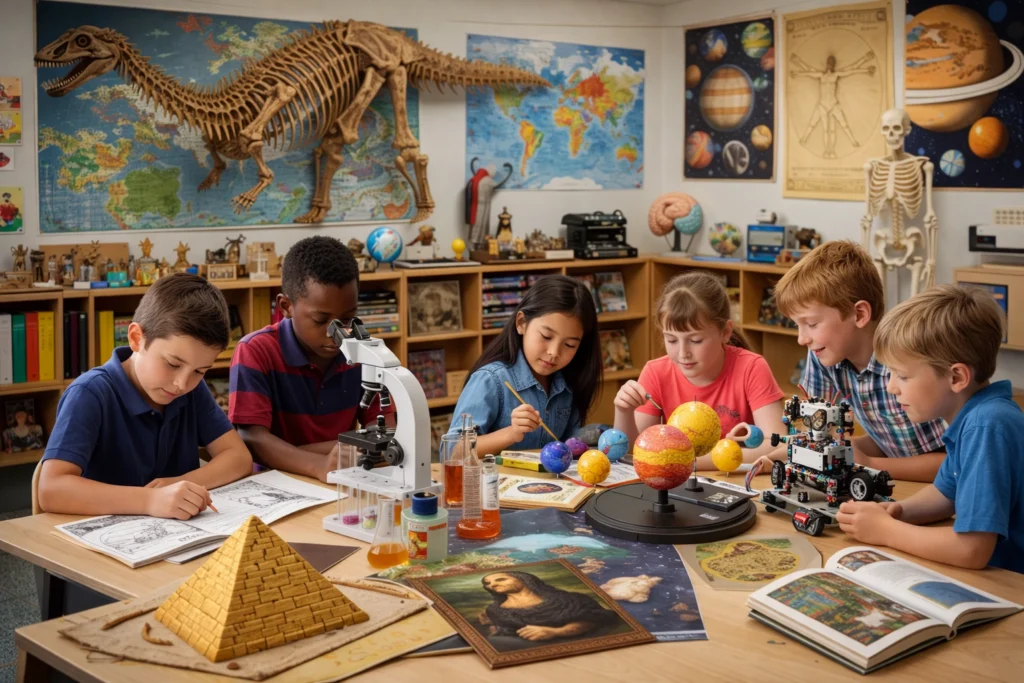
Interdisciplinary learning connects subjects like history, art, and science, so students see how they influence each other (and yes, that includes the subjects they swore they’d never use again). When children study topics across the curriculum, they develop a broader understanding of the world around them.
Let’s look at how this works in the classroom.
Connecting Subjects to Real-World Issues
But why do some lessons stick while others fade? Real-world relevance is the answer. When teachers link geography to migration patterns or connect economics to climate change, students grasp why these topics affect actual communities.
Based on our firsthand experience, this connection helps them retain information far longer. Research on social and emotional learning in schools backs this up, showing that students stay more engaged when lessons feel relevant to the outside world.
Encouraging Cross-Cultural Discussions
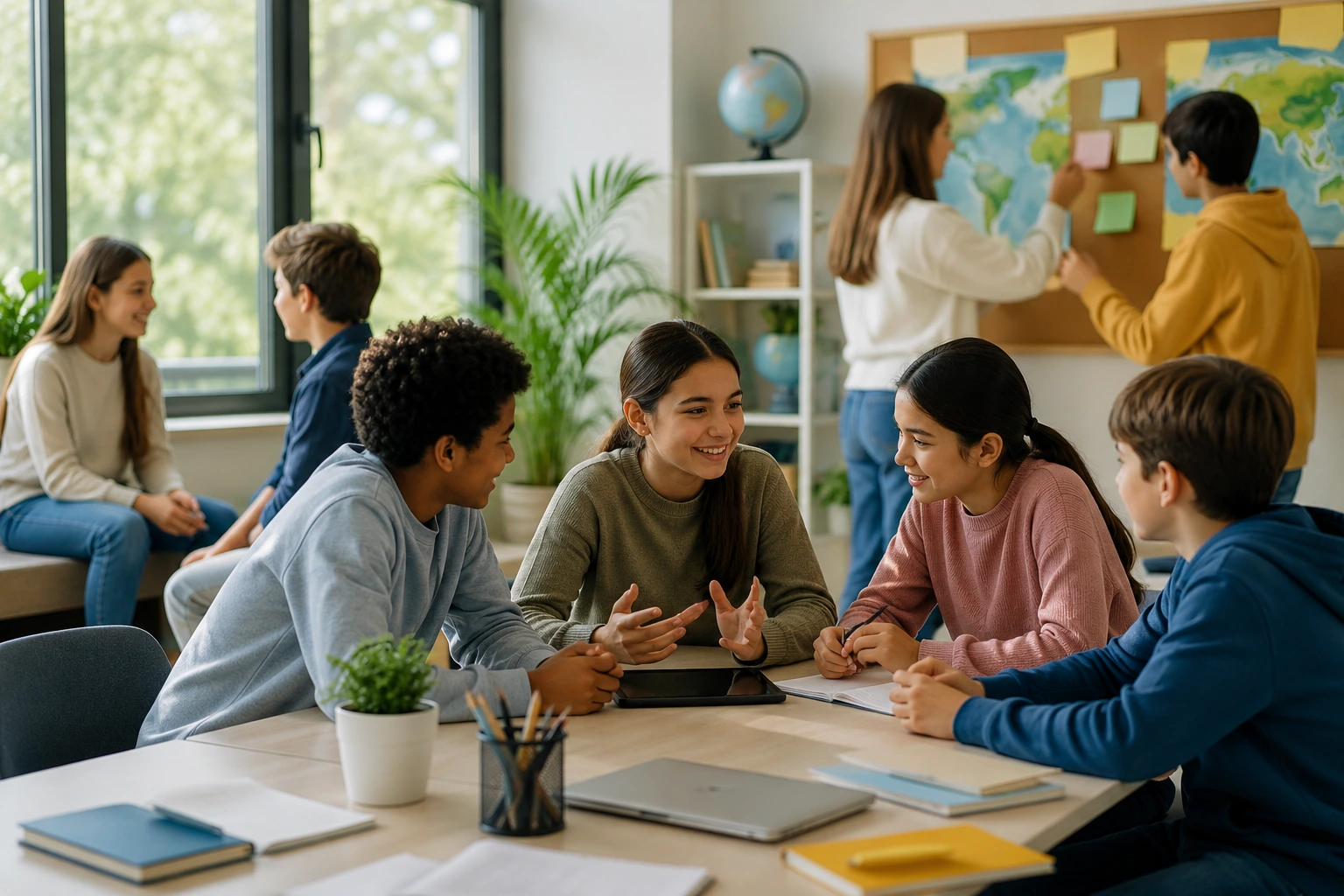
Cross-cultural discussions prepare students for diverse workplaces and friendships. One way educators do this is by encouraging students to debate global traditions in the classroom. Through these conversations, young people learn to articulate their views while respecting opposing opinions (a skill many adults still struggle with, honestly).
From our experience, this kind of dialogue builds both speaking confidence and listening skills. And students who engage with different ideas early find it easier to collaborate later in life.
Now, let’s look at how schools teach responsibility beyond academics.
Teaching Social Responsibility in the Classroom
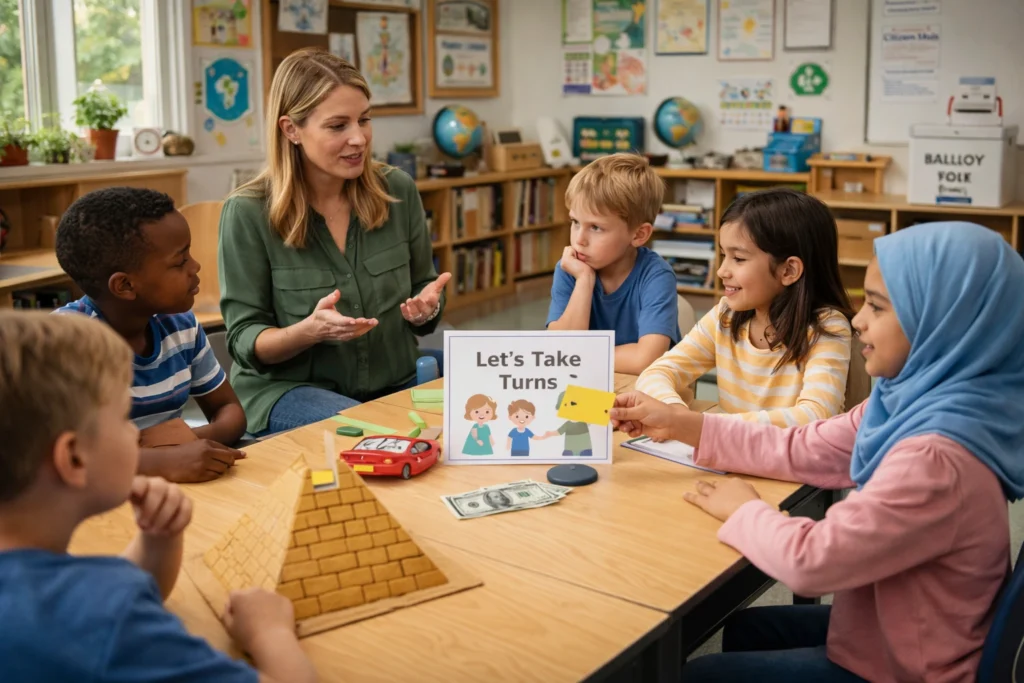
Social responsibility education teaches students how their choices affect others around them. In the classroom, teachers use everyday scenarios to introduce fairness, citizenship, and ethical decision-making. This helps children understand their role within the wider community.
Here’s how schools put this into practice.
Community Projects and Group Work
Believe it or not, some of the most valuable learning happens when students work together on something that affects real people. Through these assignments, children learn to divide tasks fairly and rely on teammates.
Volunteering with local charities takes this a step further. When students support their wider community, they see how small efforts add up. This sense of responsibility stays with them long after the project ends.
Developing Time Management Skills Early
Strong time management reduces stress and improves academic success. And frankly, students who learn to balance deadlines at an early age feel more in control of their workload. Teachers support this by introducing planners and scheduling exercises, and the results speak for themselves.
Research on student skill development confirms that these habits carry into higher education and professional life, too.
| Poor Habits | Good Habits |
| Cramming before deadlines | Breaking tasks into smaller steps |
| No set study schedule | Consistent daily routines |
| Ignoring priorities | Ranking tasks by urgency |
When students develop these skills early, their well-being grows alongside their grades.
Building Accountability Through Shared Goals
Now that we’ve covered time management, let’s look at these programs affect accountability.
When students set group targets, they quickly learn that missed deadlines affect the whole team (because nothing teaches responsibility faster than letting your mates down). This pushes learners to stay organised and communicate openly about progress.
Beyond organisation, peer accountability builds support within the group. Students who focus on shared goals achieve more than they would alone.
Of course, none of this works without strong communication skills.
How Open Communication Strengthens Social Skills
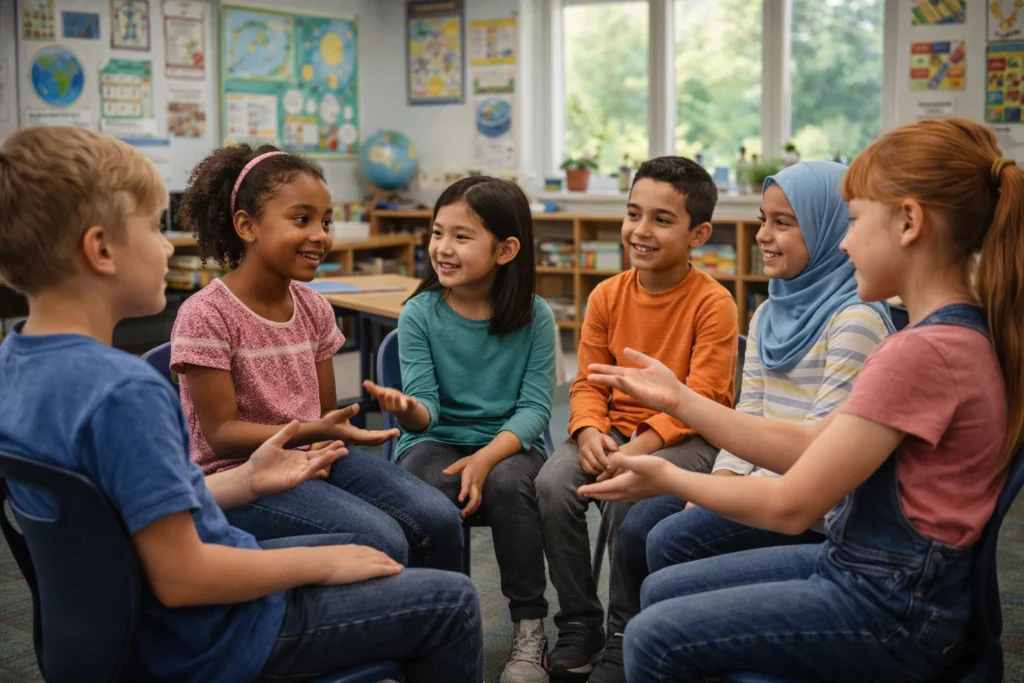
Open communication means expressing ideas clearly while respecting different viewpoints. When this happens in the classroom, students feel safe to share thoughts without fear of judgment. Teachers play a big part here by modelling respectful dialogue, which helps learners disagree politely and find common ground.
Let’s explore what that looks like in practice.
Encouraging Dialogue in Group Settings
Group dialogue builds confidence and makes public speaking feel less intimidating. One reason is that small group discussions provide quieter students with a safer space to share their thoughts first. Through our practical observations, this approach helps children engage more openly in class.
Structured exercises also teach turn-taking and building on others’ ideas. When learners are encouraged to contribute regularly, their anxiety tends to decrease over time. For educators, rotating group roles gives every student a chance to lead.
Learning to Listen and Respond Thoughtfully
How often do students truly listen rather than wait to speak? In most cases, not often enough.
Active listening is about hearing, not preparing what to say next. When children develop this skill early, they build stronger reasoning skills and a deeper understanding of others.
The benefits extend beyond comprehension. Reflective responses earn trust and strengthen relationships in academic life and personal settings. Over time, this creates a sense of respect within the classroom.
These skills follow students well into adulthood.
Preparing Students for Life Beyond the Classroom
Many students leave school without the cultural awareness or social skills needed for the working world. This creates challenges when they enter diverse workplaces or try to build meaningful relationships. Fortunately, education programmes already address this gap through structured learning and practical experiences.
We explored how interdisciplinary learning, social responsibility projects, and open communication help students build confidence and accountability. Group dialogue and active listening round out these skills by strengthening teamwork and respect for others.
Our team at Juergens Meyer takes students through every step they need to build these skills and succeed beyond the classroom. With the right guidance, students carry these abilities for life. Your next move starts here.