An effective learning environment is a space where students feel safe, supported, and genuinely engaged in the learning process.
However, the issue is that these changes rarely hold up on their own since lasting improvement depends on structure, teacher support, and student engagement working together. Without that connection, classrooms become harder to manage, and students only understand lessons at a surface level.
Luckily, small changes in the classroom environment can produce surprisingly big results. This guide will break down the specific factors that improve outcomes, why they work, and how you can start applying them in your classroom.
We’ll start by looking at what makes a classroom truly effective.
What Defines an Effective Learning Environment in Classrooms
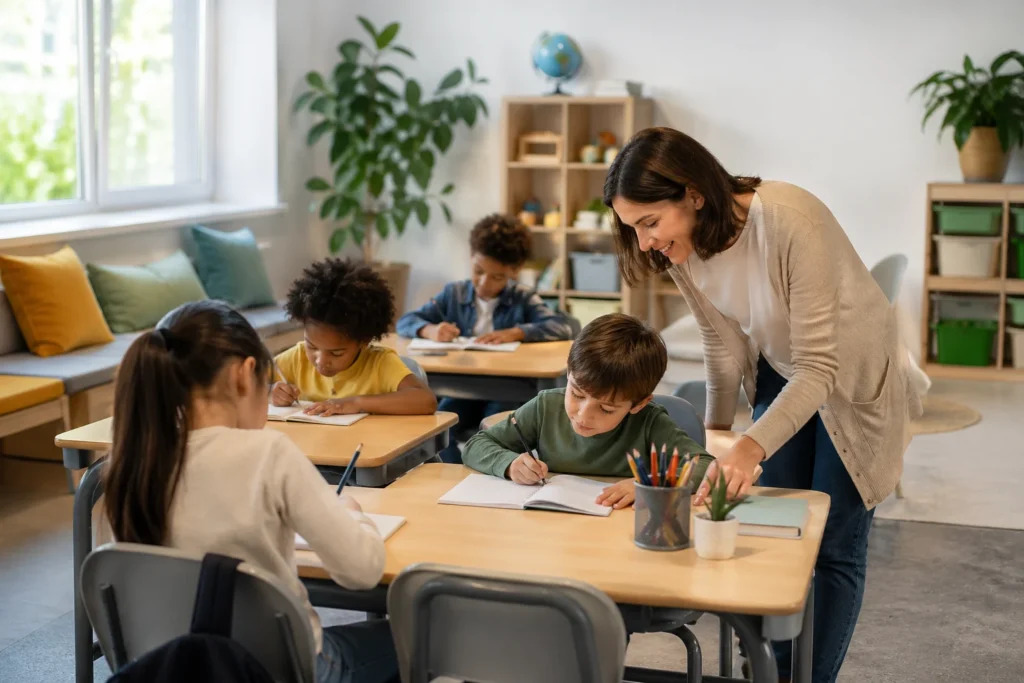
An effective learning environment runs on three connected parts: the physical space, the emotional climate, and the teaching methods used each day. If you can get these three factors working together, student engagement will follow naturally.
Let’s look at each part so you can see where to begin.
Physical Environment
Natural light has a direct effect on how well students pay attention and how they feel throughout the day. In fact, research from the University of Salford found that well-designed learning spaces, including daylight, improves student progress by up to 16% in one academic year.
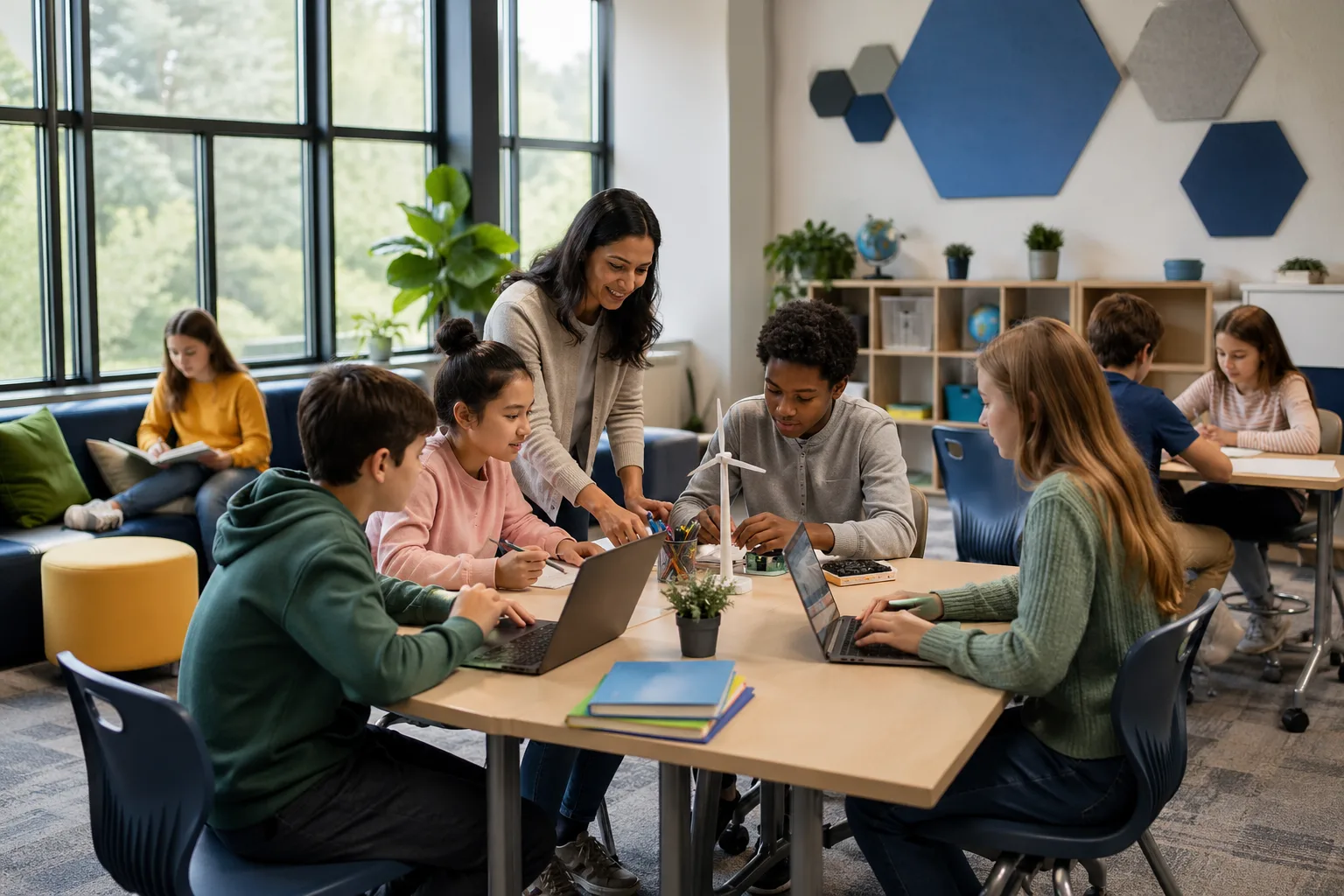
Similarly, desk arrangements affect how students interact, build relationships, and behave during group work. For independent work, reading corners or study spaces give them the space to think clearly, process ideas, and complete tasks without distractions.
Classroom Structure Benefits
Routines and set expectations are some of the most underrated tools a teacher has. Yet the difference they make in day-to-day classroom life is hard to ignore. Here’s what consistent classroom structure actually delivers:
- Clear Boundaries: Students perform better when they understand what’s expected of them from the start. That clarity reduces confusion and even prevent misbehaviour since there’s less room for misunderstanding.
- Predictable Routines: You can think of routines like a road map for the school day. So, similar to our previous point, if your students know what comes next, they’ll spend less energy figuring out what to do and more energy focusing on learning.
- Emotional Safety: A stable classroom will give your students the confidence to speak up, even when they are unsure of the answer. Over time, that sense of security can encourage them to take on more challenging material without fear of judgment.
As you can see, structure quickly improves both behaviour and academic performance. Even small changes to daily routines can start to show results within a few weeks.
Emotional Climate
Students who feel psychologically safe are more willing to ask questions, take risks, and speak up during lessons. Without that sense of safety, even your strong teaching methods can lose their impact.
And this sense of safety is closely linked to self-esteem and peer relationships. So, if your students feel accepted by their classmates, they’re more likely to join class discussions and share their thoughts openly.
Over time, this feeling of belonging builds stronger intrinsic motivation, something that grades alone cannot create. So, the emotional side of the classroom is just as important as the academic side.
Inclusive Pedagogical Approaches for Diverse Learners
Not every student learns in the same way, and expecting them to is what often slows down the classroom. So we recommend using varied approaches like blended learning and Universal Design for Learning (UDL).
That way, you can help your students learn at their own pace and access content in ways that suit them better. This is even more important for students with special educational needs, where a single teaching method can easily miss their needs.
In the end, flexibility in teaching is really about reaching more students, instead of changing how lessons are delivered.
Best Ways to Increase Student Engagement in the Classroom
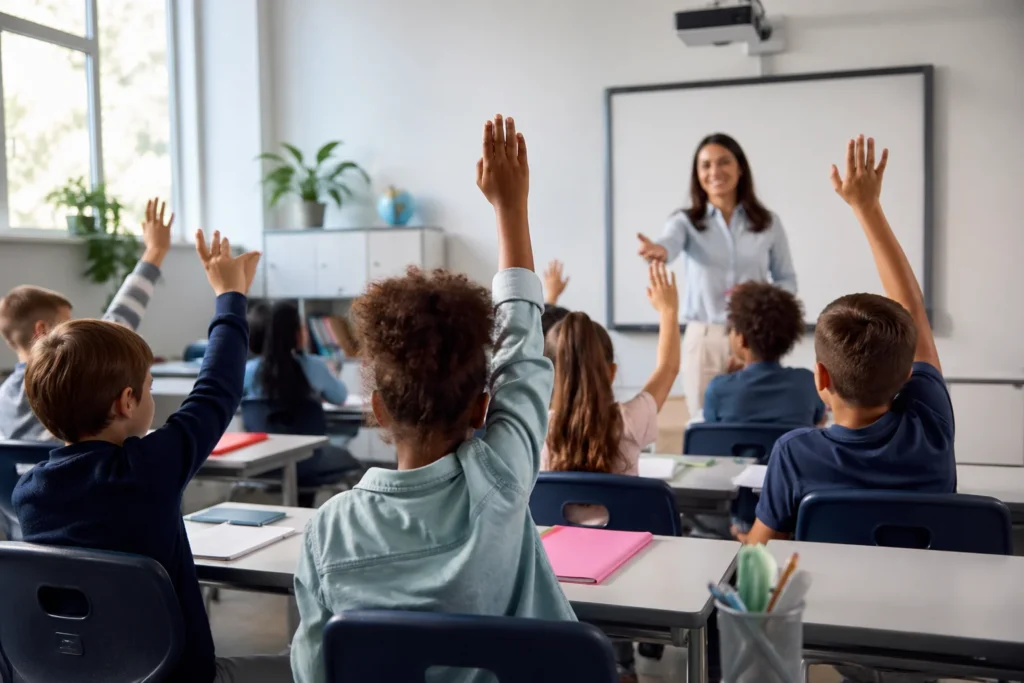
Proper student engagement means students who are actively thinking, asking questions, and connecting ideas in a way that stays with them after the lesson ends.
With that in mind, take a look at the methods that truly improve student learning.
The Engagement Trap
A room full of students doing tasks might seem like progress. But if those tasks don’t challenge their thinking or connect to the learning process, the engagement is only surface-level.
What’s more important is curiosity and purpose. In other words, your students need to feel that their work has meaning and is leading them toward something important. Without that direction, even creative activities become simple time fillers.
Collaborative Learning That Builds Skills
Some of the strongest learning happens when students work through problems together. And collaborative learning gives them a chance to test ideas, hear different perspectives, and grow in the process. This is what it delivers:
- Group Discussions: These build social interaction and help your students develop the communication skills they’ll carry well beyond school. Plus, the back and forth of a good conversation will teach them to listen before they respond.
- Small Group Discussions: Quieter students often feel more comfortable sharing ideas in smaller groups, which also builds stronger peer relationships through shared responsibility. Over time, it can encourage these students to speak up in larger groups too.
- Collaborative Problem Solving: In general, working as a team builds confidence in your students. It also teaches your students social skills like communication, cooperation, listening, and problem-solving that employers consistently look for. More importantly, it’ll show them that different viewpoints lead to better solutions than working alone.
The reason collaborative learning works so well is that it mirrors real life. Very few jobs require people to sit alone in silence, so building these habits early will give your students a genuine head start.
Classroom Activities That Encourage Students to Think
Problem-solving tasks and open-ended questions can push students beyond simple memorisation into deeper thinking. Instead of repeating facts, they’ll start forming their own ideas and conclusions.
Class discussions that focus on critical thinking, like debating real-world issues or analysing why a solution works, are especially effective here. For example, if a teacher asks “why” instead of “what,” the energy in the room will move from passive listening to active thinking. And that change has a great impact on how well students retain information over time.
Using Technology as a Learning Tool
Technology supports these classroom activities we just mentioned when you use them with intention. Virtual environments, for example, can improve engagement by letting students explore concepts they would never experience in a traditional classroom. This could be space exploration, historical events, or complex scientific processes.
The risk, however, is using technology without a clear purpose. For instance, if you use too many screen-based activities, it can pull your students’ focus away from the actual lesson.
That’s why you should treat technology as a support for teaching and learning, rather than a replacement for good instruction. And once you learn how to use the technology well, it’ll add value to your lesson without taking control of it.
Improving Intrinsic Motivation in Students
All of these methods work even better when students feel a sense of ownership over their learning, which builds intrinsic motivation. Intrinsic motivation means students choose to engage because the work feels interesting, meaningful, or enjoyable.
One simple way to encourage this is by giving them choices, like picking a project topic or deciding how to present their work. Lessons that connect to real-world situations, like budgeting, current events, or future career scenarios, also spark their curiosity.
And that sense of relevance build intrinsic motivation that goes beyond working for grades alone.
Improve Your Classroom Environment Every Day
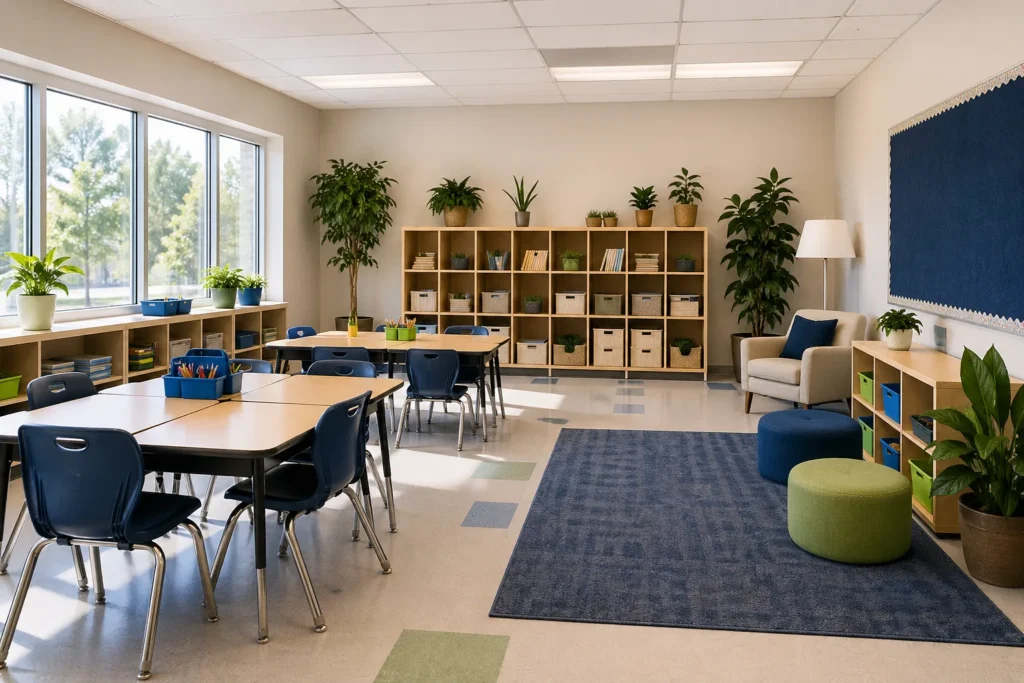
So, what would you change first in your classroom tomorrow?
We’d recommend starting by adjusting seating arrangements to match the activity, and then introducing short, structured classroom activities to keep attention steady. A quiet space for independent work can be useful too, especially for students who learn better at their own pace.
Once these changes start working together, you’ll notice your students engaging more with lessons, classroom activities, and discussions. Over time, this will lead to better behaviour and stronger academic performance.
If you want more support in building an effective learning environment, our team has been helping educators across London for over twenty years.
Visit us at Juergens Meyer to find out how we can help.