

Nowadays, even a student who graduates top of their class has no idea how to handle a simple team project or a missed deadline during their first job. And that’s because traditional education builds knowledge but rarely teaches the skills needed to succeed in real life.
If you’ve noticed students struggling despite good grades, you’re seeing what we’ve observed across countless schools. The gap between what teachers cover in the classroom and what employers actually need keeps widening. It’s not anyone’s fault, though; it’s just how most systems are built.
In this article, we’ll explore why academic education misses certain skills, how real-world learning fills those gaps, and what methods like hands-on experience and project-based learning actually do for students. You’ll also learn practical approaches that prepare students for the world beyond graduation.
Read on to see where the disconnect happens and how to fix it.
Education vs Real World Skills: Where the Gap Really Starts
Education provides theoretical foundations and structured knowledge, while real-world skills involve the practical abilities needed to perform tasks effectively in professional settings.
The difference becomes clear when you look at their priorities. Academic settings focus on building blocks of information that students can recall during exams. Similarly, workplaces demand immediate problem-solving and adaptability from day one.
Look, we’re not saying education has no value. Formal education builds discipline and foundational understanding, no question about that. But it rarely mimics the messy realities graduates face in actual work environments.
When students spend years focused on theory without applying it, they miss out on developing the confidence needed for diverse situations. These readiness gaps surface quickly once students enter the workforce and realise that memorising answers for tests won’t help them solve workplace challenges.
What Academic Education Misses (and Why It Concerns Us)
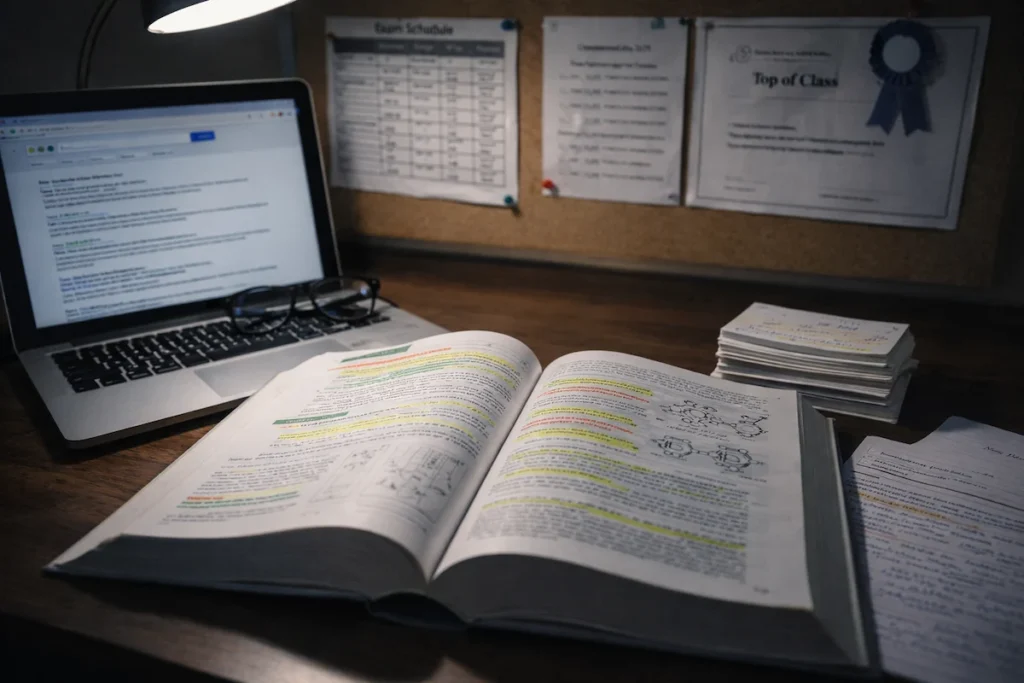
Academic education focuses on theory, exams, and structured learning, but often overlooks practical application, problem-solving under pressure, and learning through failure. This gap explains why graduates with excellent grades sometimes struggle more than expected once they leave university.
Here’s where the system comes up short:
Theory Without Application
Experiential learning provides insight into how theories and concepts taught in classrooms actually apply in practice. Meanwhile, classroom theories rarely connect to real-world scenarios, leaving students unable to translate knowledge into action.
You see this disconnect everywhere. Understanding a concept intellectually is very different from knowing how to implement it under workplace pressure. For instance, a student might explain supply and demand perfectly on paper, but freeze when asked to price a product for an actual business.
Without practical application during their studies, graduates face steep learning curves in their first roles. They’ve got the knowledge but lack experience in turning it into results.
Memorisation Over Problem-Solving
The focus on memorisation means students excel at tests but struggle when problems don’t match pre-learned patterns or formulas. They’ve trained for one skill when employers need another.
That’s the core issue right there. Real jobs demand critical thinking and quick decision-making, instead of regurgitating textbook answers from memory.
Limited Exposure to Failure
Based on our experience, workplaces value resilience and bouncing back from setbacks. But risk-averse educational settings rarely nurture these skills (which explains why so many struggle here).
When students haven’t experienced productive failure, they lack confidence tackling unfamiliar challenges at work. And honestly, self-awareness only develops when you’ve failed, learned, and tried again.
But what happens outside traditional classrooms that makes such a difference?
Real World Learning: What Happens Outside the Classroom
Real-world learning involves intentionally designing curriculum to connect subject knowledge with actual experiences, problems, and hands-on application beyond traditional classrooms. When educators design learning experiences that mirror everyday life, student motivation increases.
The table below shows how academic and real-world learning differ in general:
| Academic Learning | Real World Learning |
| Focuses on theory and memorisation | Applies knowledge to solve real problems |
| Taught through lectures and textbooks | Acquired through internships and community projects |
| Success measured by exam scores | Success measured by practical outcomes |
| Limited interaction with professionals | Direct collaboration with industry experts |
| Individual assignments dominate | Team-based projects mirror workplace reality |
Simply put, real-world learning offers a diverse range of forms, from internships to community service. And practical exposure through these experiences allows students to apply classroom concepts in tangible ways.
When learning feels relevant and purposeful, their engagement with studies increases naturally.
How Project-Based Learning Bridges the Divide
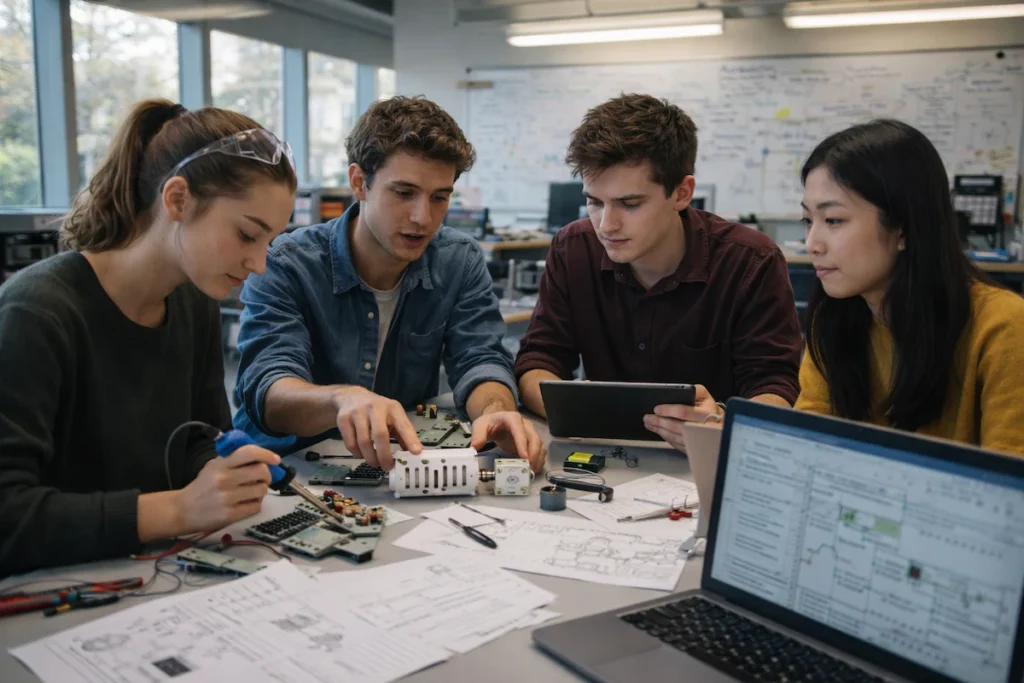
Project-based learning involves students working on extended tasks over time to achieve learning outcomes, often requiring student-led approaches and practical problem-solving.
Let’s break down what makes it work:
- Solves Real-World Problems: Students tackle actual challenges rather than hypothetical scenarios. So participants in these projects develop solutions that have real consequences. The process mirrors what they’ll face in any career, teaching them to work through an extended period of uncertainty and discovery.
- Builds Essential Workplace Skills: Project-based approaches strengthen creativity, collaboration, and adaptability, the exact skills employers prioritise for long-term success. Plus, teams learn to communicate effectively while managing competing ideas and tight deadlines.
- Creates Ownership: Students gain ownership of their education while understanding how their decisions create real outcomes. They’re not just completing assignments for grades anymore. Instead, they’re building something that counts, which makes the entire learning experience more engaging and valuable.
In fact, preparing students for real-world challenges beyond academics requires exactly this kind of hands-on, student-driven approach. However, project work alone isn’t enough to develop all the necessary skills students need.
Group Learning and Hands-On Experience: The Missing Pieces
Combining collaborative work with practical tasks builds the soft skills and confidence graduates desperately need for diverse situations. These approaches prepare students for workplaces where communication and teamwork determine who succeeds.
If you’re wondering what makes these approaches so effective, here are two specific areas:
Why Group Learning Builds Soft Skills
Collaboration allows students to gain valuable insight into their chosen field by working with others who bring different perspectives. Working in groups develops:
- Effective communication
- Mutual understanding
- Ability to collaborate across different viewpoints
Frankly, employers report that fresh graduates struggle with professional norms. Group learning addresses these gaps before employment begins.
After all, team projects mirror actual workplace dynamics far better than individual assignments or isolated study sessions. Students learn to find common language with teammates, resolve conflicts, and develop leadership abilities through shared responsibility.
Hands-On Experience Creates Confidence
Hiring based on skills is five times more likely to predict successful job performance than education-based hiring alone. Because practical experience shows real-world application of knowledge, it makes abstract concepts feel like concrete skills students can actually use.
We’ve seen students who gain practical exposure find networking opportunities and insight into their chosen field’s realities. They learn what the job actually involves, not just what textbooks say it should involve.
While group and hands-on skills matter, formal qualifications still play a role in many careers.
Does Higher Education Prepare You Properly?
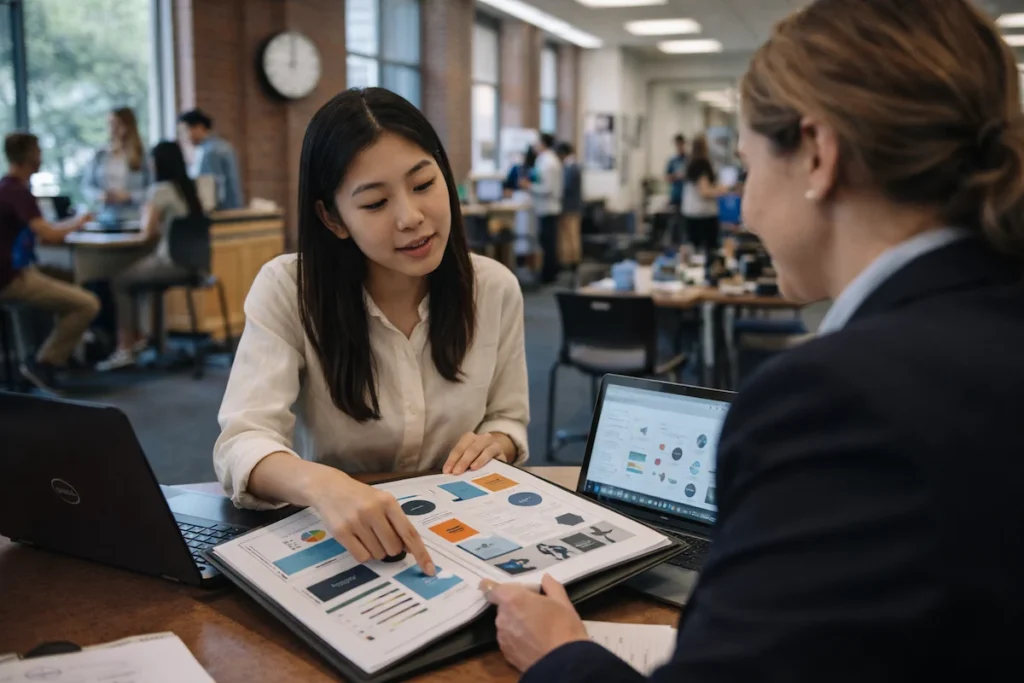
Higher education provides formal qualifications and structured knowledge that serve as screening tools for regulated fields, but increasingly, employers prioritise skills and practical experience over degrees alone.
Since degrees remain vital benchmarks for demonstrating quality and dedication in careers like medicine, law, and engineering. A university education builds the foundation that hard skills require.
However, employers increasingly adopt skills-based hiring as technology advances faster than academic curricula can keep up. The job market shifts quickly, and what universities teach this year might be outdated before students graduate.
And the numbers back this up. About 95% of employers now view skills-based hiring as recruitment’s future, valuing what candidates can do over credentials alone. They want people who can hit the ground running, which means practical experience often weighs as heavily as a degree.
Bottom Line: Graduate employability depends on matching formal qualifications with hands-on capability.
Real Stories: When the Learning Experience Falls Short
Graduates often enter workplaces lacking core professional skills like effective communication, deadline management, and adaptability to different team environments. After analysing education trends and employer feedback extensively, we’ve tracked how this gap plays out across industries
For example, employers notice graduates struggling with necessary skills like meeting deadlines and adapting to professional workplace expectations. Fresh hires arrive with knowledge but struggle with unwritten workplace rules like asking for help, managing priorities, or communicating under pressure.
Entry-level employees often return to further education to gain expertise for impactful careers. The cycle goes like this: a graduate joins a company, realises their degree didn’t prepare them for the actual work, and then seeks additional training or certifications within their first year.
Basically, the student readiness gap affects every education system level and increasingly bleeds into workforce performance issues. It’s happening everywhere students transition from school to career. And that’s why educators must help students balance academic learning with real-world preparation to close this gap before it costs them opportunities.
Your Next Steps: Building Skills That Actually Stick
Lifelong learning is necessary in a world where technology, skills, and career paths evolve at unprecedented speeds. The foundation you build in school only works when paired with real-world application.
Ultimately, success depends on gaining both knowledge and the ability to use it. Seek opportunities combining structured learning with practical experience to develop new skills that prepare you for diverse situations. Internships, volunteer work, and project-based courses all help bridge the gap between what education covers and what life demands.
The world won’t slow down, so neither can your development. Want to explore how education can better prepare students for real-world challenges?
Get in touch with Juergens Meyer to learn more about approaches that work.