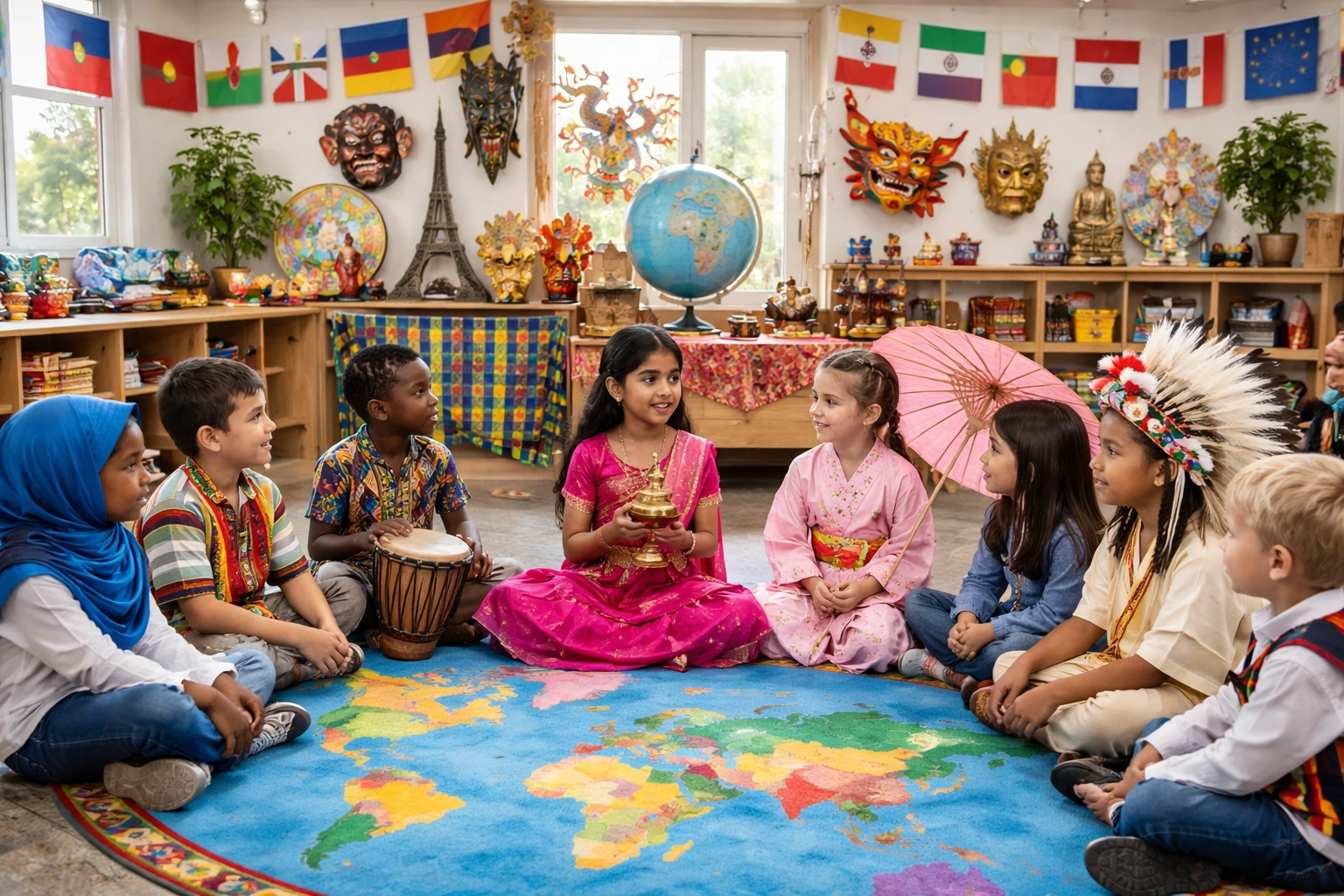
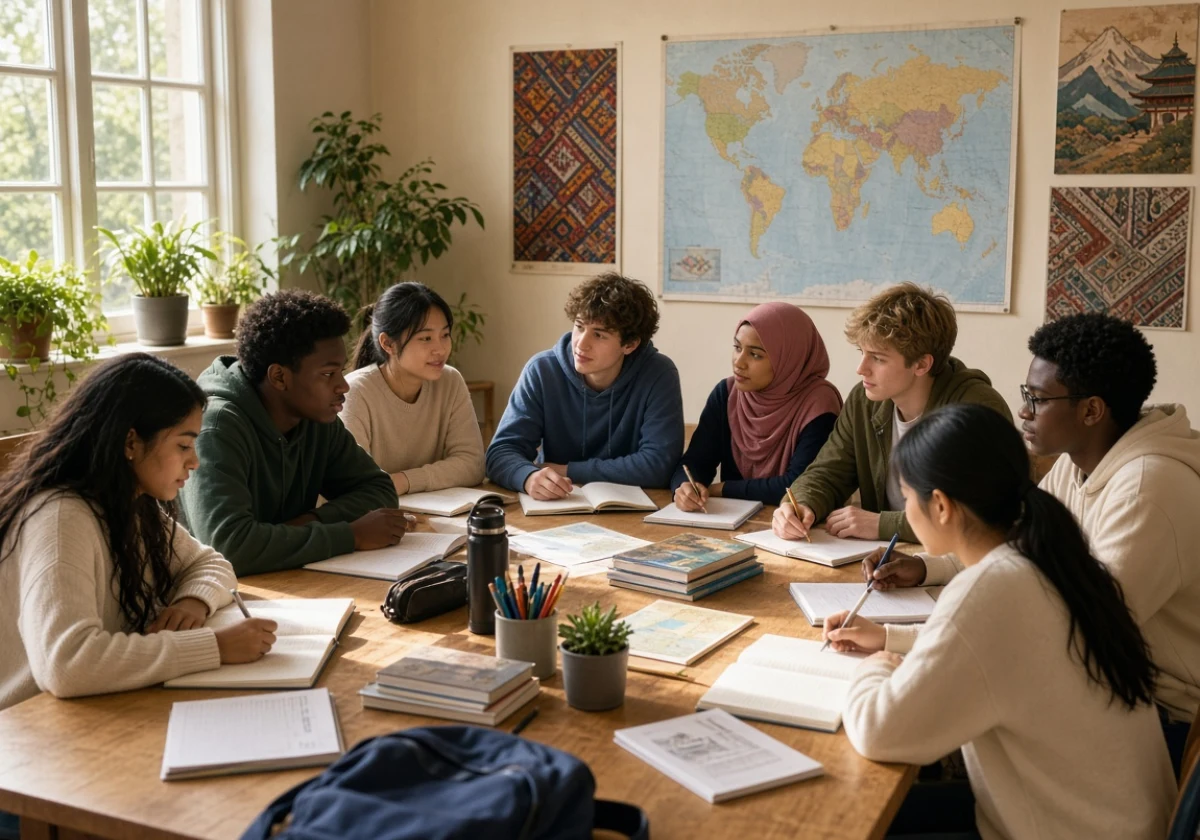
Cultural learning prepares students for a connected world by developing language skills, empathy, and an understanding of different customs. Strong grades open doors, yet they don’t teach a pupil how to read a room in Madrid, Lagos or Tokyo.
Most schools already sense that gap. And parents ask us at Juergens Meyer how culture fits around exams without crowding an already full timetable.
This guide covers what counts as cultural learning in class, and how exchange and language work build confidence. Let’s see how to pick partners who deliver, plus what to check before you commit a budget.
Cultural Learning in the Classroom: What It Covers and Why Schools Value It
Most students can name five world capitals but struggle to explain a single custom behind them. Primary and secondary schools value cultural learning because it closes that gap. Our guide on how cultural education prepares students for life follows the same thread into adulthood.
Below, we’ve set out four key aspects teachers tend to work with across the curriculum.
What Counts as Cultural Knowledge in a School Setting
Cultural knowledge includes people’s habits, beliefs, traditions and expectations about everyday behaviour. In school, pupils encounter these customs in geography, history and religious education.
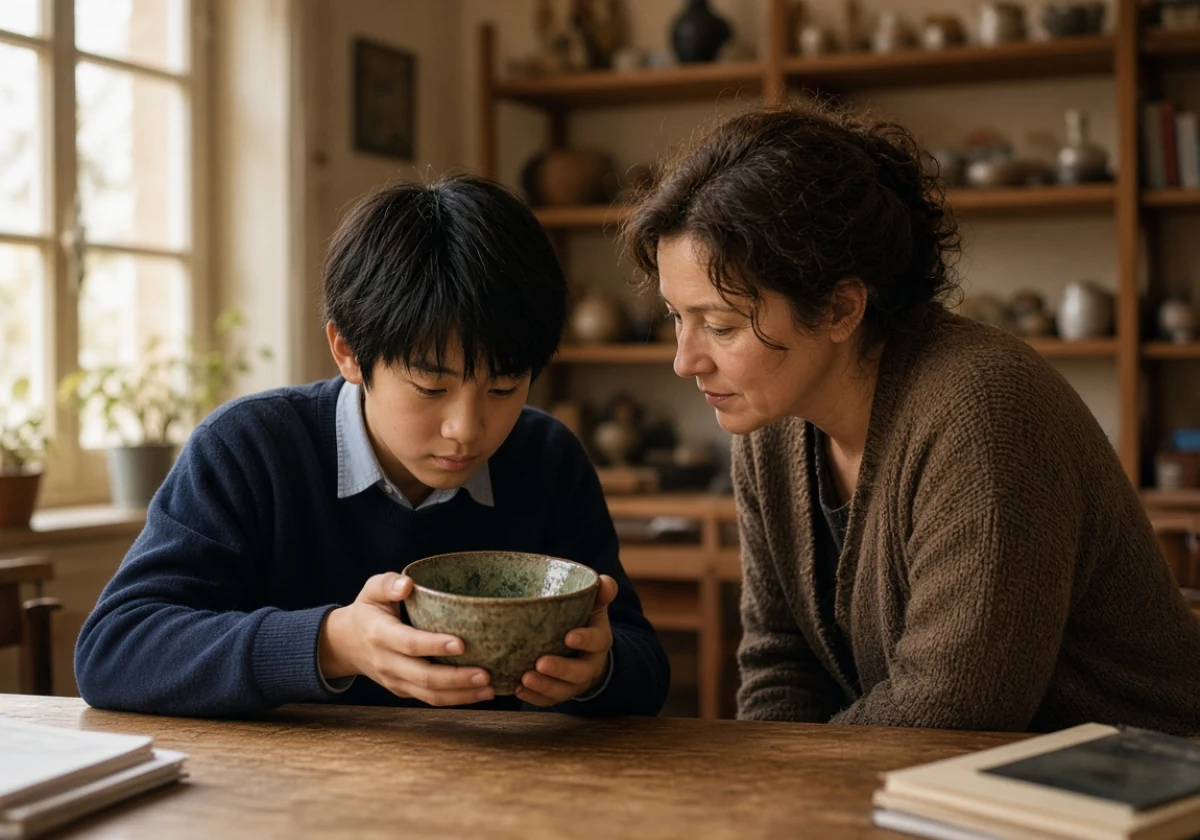
Teachers make the lessons more engaging with stories, music and objects students can hold. A Japanese tea bowl in a child’s hands, for example, raises questions a photograph never does. It gives students a chance to ask about the customs behind an everyday object.
You can continue the conversation at home. Ask your child to name one custom they’ve studied, perhaps involving food, festivals, greetings, or family roles. If they struggle to answer, ask what they remember from the lesson and build the conversation from there.
Cultural Transmission: Passing Values Between Generations
Values, language and routines pass from one generation to the next. Psychology, sociology and anthropology all study that handover, and schools know it as cultural transmission.
Families start the work, and schools carry it on through assemblies, trips and shared rituals. Not to mention, students encounter traditions different from their own, which helps them understand how other families live.
You’ll notice cultural transmission when a pupil explains the meaning of their family name or a tradition they’ve grown up with. The school’s calendar offers another clue, as its celebrations reveal which cultural traditions students encounter throughout the year.
Why Cultural Context Influences How Students Read Ideas
Students interpret words and behaviour through their cultural backgrounds. A gesture or response that seems polite in one setting can carry a different meaning elsewhere. Silence, for example, can signal respect in one culture but disagreement in another.
These differences affect classroom discussions and group projects as well. A pupil might avoid interrupting a teacher out of respect, while another speaks up whenever they have a question. Without understanding those expectations, teachers can mistake politeness for a lack of interest.
Teachers can use everyday examples to explore these differences. When a pupil interprets a character’s behaviour differently from their classmates, ask what cultural expectations influenced their answer. Discussing those assumptions helps students consider perspectives beyond their own.
Connecting Lessons to Students’ Own Cultural Roots
Pupils lean in faster when a lesson touches their own cultural roots. A class on harvest festivals lands differently once three children describe their family’s version of it.
Teachers can invite families to share their traditions without putting anyone on the spot (ask families first, not children unexpectedly). The examples can then become part of a class discussion, where students compare familiar traditions with those of their classmates.
Teachers can also use what they learn about each pupil’s background to plan activities that feel relevant. A child who knows a harvest song, for example, could explore how music features in similar celebrations elsewhere.
Building Student Development Through Cultural Exchange and Language Learning
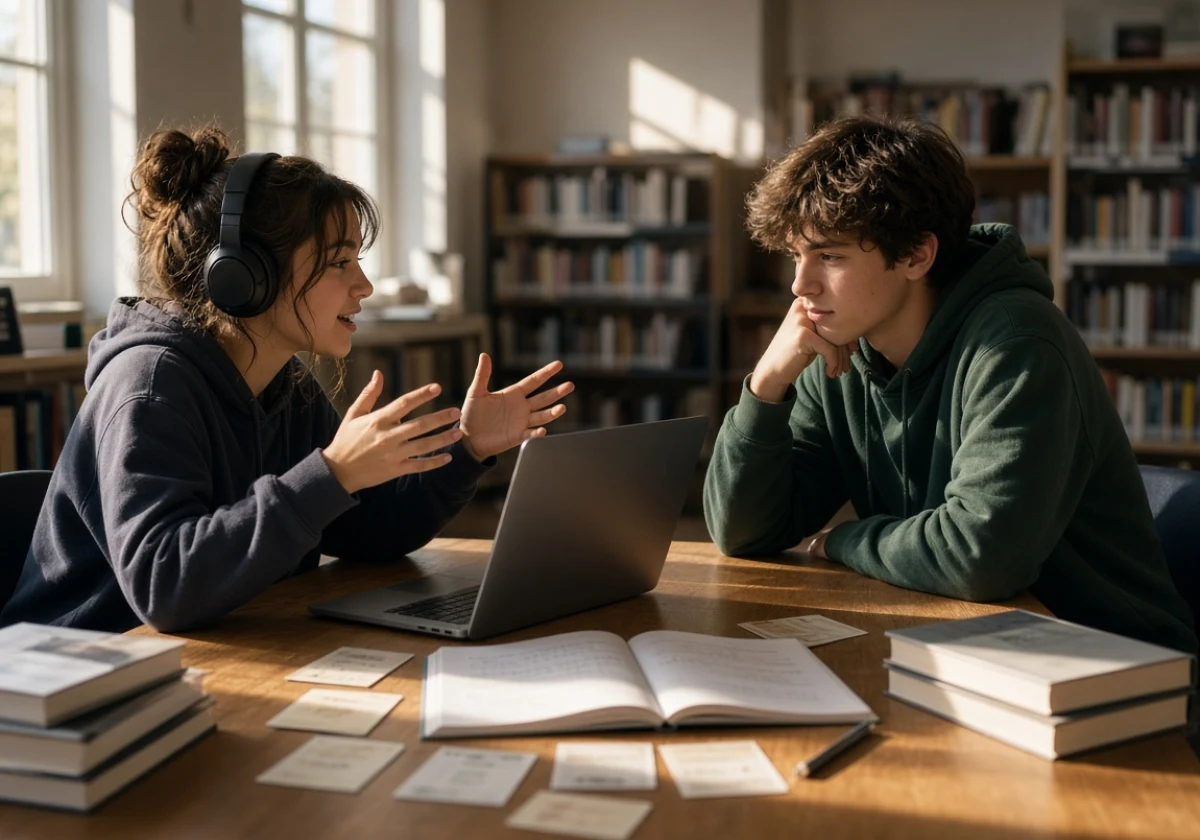
The best part of cultural exchange is watching students gain confidence in a foreign language within months. Vocabulary exercises provide a starting point, but conversations with other students give them a reason to practise speaking.
Many schools already have pupils who bring different languages and cultural experiences into the classroom. Department for Education figures for 2025-26 show 21.6% of pupils have a first language known or believed to be other than English. Schools can draw on that diversity when planning shared activities. From what families tell us, the quietest students speak more freely when a project gives them a clear reason to contribute (the shy ones surprise you every single time).
For exchanges with schools abroad, give pupils a shared project with clear roles and a deadline. The format doesn’t need to be complicated, though.
Consider these options:
- Letter and video swaps with a partner school abroad, matched pupil to pupil
- Short residential visits where students take part in family routines
- Joint projects run on digital learning platforms, with one shared deadline
- Cooking, music and storytelling evenings led by parents
Start with one format for a full term. Regular contact then helps pupils build friendships and grow more confident using another language.
How Does Culture Influence the Way Students See a Connected World?
Pupils now encounter people from different cultural backgrounds through online games, shared projects and social media, often long before they travel abroad. Those interactions introduce different ways of communicating, from how people express disagreement to what they consider polite.
A gaming squad spread across three countries, for example, has to agree on strategies despite different languages and habits. Even a teenager explaining a meme to a cousin abroad is practising cultural translation (though neither would call it that).
Schools can build on these experiences by asking students to compare how people communicate across cultures. A short message that sounds rude to one person might seem perfectly normal to another. Discussing those differences helps pupils question their first impressions before making assumptions.
Later, the same communication skills help young adults work with colleagues and clients from different backgrounds. To be honest, understanding cultural differences at 14 could save an awkward apology at 30.
Schools and Cultural Partners Make International Education Stick
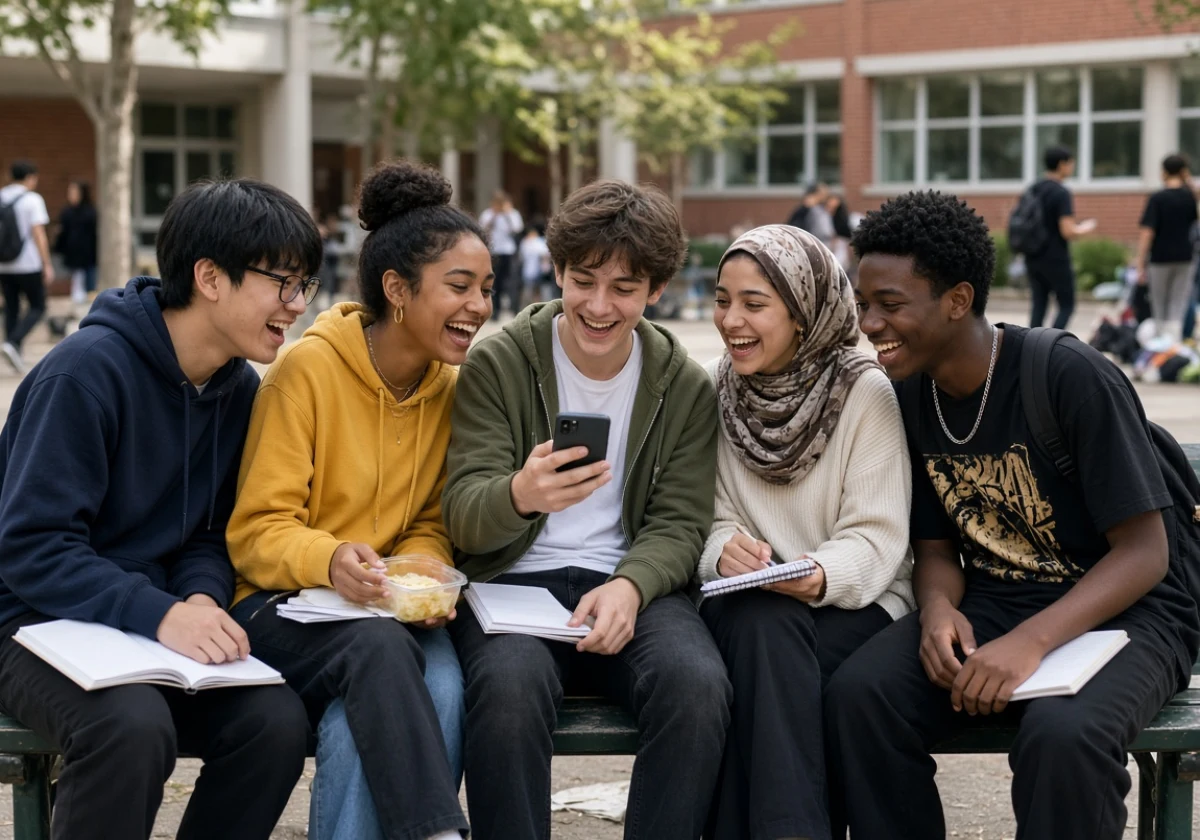
Schools can extend cultural learning through partnerships with museums, arts organisations and schools abroad. These partnerships give pupils opportunities to learn directly from people who share their cultural knowledge and experiences.
Weigh the three partner types below before you commit a term’s budget.
- Museums and Arts Venues: A handling session sometimes gives pupils more to discuss than a general museum tour. Galleries, theatres and arts organisations across London offer workshops linked to the national curriculum. Before booking, find out which key stage the session covers and ask for a lesson plan.
- Partner Schools Abroad: Start with one class and a named teacher rather than involving a whole year group. Students then have real people to exchange ideas and complete projects with. Both schools should agree on communication arrangements and how often they’ll share work.
- Digital Learning Providers: Students don’t have to travel to work with classmates overseas. Online platforms support shared projects, video discussions and group activities. However, schools need to check where providers store pupil data and who has access. A named contact is also worth having when technical or safeguarding questions arise.
In our work with London families, the venues that publish lesson plans save teachers the most preparation time. Many London cultural education providers share schemes of work for free, so check the learning pages of any museum or educational trust before you buy materials.
Give Your Students Their First Step Into Global Education
Schools don’t need an expensive international programme to give pupils meaningful cultural experiences. A well-planned exchange or local partnership gives them a chance to understand different customs and practise communicating with others.
The first programme doesn’t have to be perfect, either. Ask pupils what they learnt and teachers which activities worked well. Their feedback will help you decide what to keep, change or try next term.
Juergens Meyer offers practical guidance on schools, exchanges and global education for families. Get in touch for help planning that first link.