Most people assume that real-world student preparation is about getting good grades and landing a place at college or university. But ask any employer, and you will hear a different story entirely.
Recent data from the UK government’s Employer Skills Survey found that many businesses feel young people arrive without the transferable skills they actually need. That disconnect between the classroom and the workplace is exactly what this article unpacks.
We break down what schools, parents, and educators can do to close that gap. You will find sections on life skills, self-awareness, self-advocacy, and long-term career confidence.
Life Skills That Schools Often Overlook

Many university freshers admit they felt unprepared for basic tasks like cooking or budgeting when they first moved away. We’ve seen this firsthand, with learners arriving at college unable to manage a weekly budget or cook a simple meal (and no exam revision guide covers that).
The skills they needed had nothing to do with academics. They were practical, personal, and completely missing from the curriculum. Here are some of the most common gaps schools leave behind:
- Budgeting and Financial Literacy: Students who learn to manage money early make better spending decisions once they live independently.
- Time Management in Real Life: Without a school timetable to follow, many young people struggle to structure their own days at college or work.
- Independent Living Skills: Simple tasks like grocery shopping, cleaning, and cooking give children the confidence to look after themselves.
When schools focus only on academic progress, learners miss out on the life skills that support their independence long after results day.
Once those basics are covered, the focus shifts to something less obvious.
Self-Awareness: The Missing Piece Behind Strong Communication Skills
Students who develop self-awareness early find it far easier to express themselves clearly at school. At its core, this comes down to one thing: knowing yourself well enough to understand others.
That understanding influences how young people handle classrooms, group projects, and eventually the workplace. There’s no way around this one, either. If a learner does not learn how they react under pressure, they will struggle to get their point across when it counts.
But getting your point across is only half of it. Listening carefully, reading tone, and responding with care are just as important. Children who build these social skills during primary and secondary education tend to carry them into college, careers, and everyday life.
From there, the question becomes whether students can carry these habits forward.
What Preparing Students for Further Education Really Requires
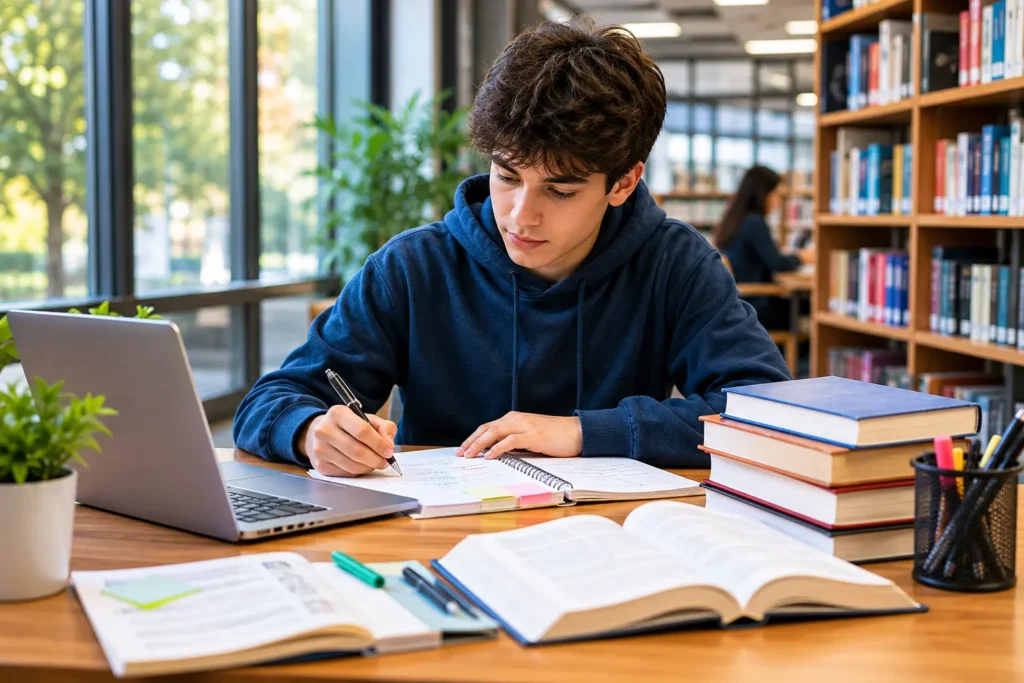
Getting into university or college is one thing, but staying there and succeeding requires a completely different set of habits. And frankly, nobody sits you down and explains this before freshers’ week.
To put it simply, the skills that get students in are not the same ones that keep them going:
| What gets students in | What keeps students going |
| Exam results | Self-discipline and independent study |
| Personal statements | Time management and daily structure |
| Predicted grades | Problem solving and adaptability |
The World Economic Forum now ranks these practical skills among the most in-demand globally. And schools that weave this kind of learning into their curriculum give students a genuine head start in higher education.
The earlier children develop these habits, the smoother their transition into further education becomes. But academic preparation only goes so far, because the workplace expects something different altogether.
Why Self Advocacy Is the Skill Behind Sustained Employment

What separates someone who keeps a job for six months from someone who builds a career over several years? More often than not, it comes down to how well they can speak up for themselves.
Knowing Your Worth at Work
Self-advocacy in real life means setting boundaries, asking for support, and communicating your needs without confrontation. When young adults enter employment for the first time, few have had any practice doing this.
From what we’ve seen in graduate employment programmes, the learners who lasted longest weren’t always the highest academic achievers. They were the ones who felt confident enough to have difficult conversations early on.
Why Confidence Outlasts Qualifications
Believe it or not, your degree title stops coming up in conversation after the first year or so. That same gap shows up in hiring, too.
Recent findings from the CIPD suggest only 52% of employers feel young recruits are properly ready for the workplace. What keeps people in sustained employment is how they handle real-life challenges like managing feedback, building resilience, and adapting to change over time.
Helping Children Walk Away With Education Outcomes That Stick
Now that we have covered the individual pieces, the real question is how they all fit together over time.
The strongest education outcomes come when schools, parents, and educators treat life skills, independence, and real-life readiness as part of everyday learning rather than something bolted onto the academic curriculum.
Preparing young people well means supporting them from primary school through to secondary and into college (even the ones convinced they already have it all figured out). When children grow up with that foundation in place, they walk away with the confidence, resilience, and independence to handle jobs, relationships, and life on their own terms.
If you want to learn more about how education can support young people beyond the classroom, Juergensmeyer is a good place to start.