The pressure on students has never felt heavier. Schools push for top grades, parents encourage university applications, and league tables reward academic performance above almost everything else.
Employers, on the other hand, are asking for people who can think on their feet, manage their time, and communicate clearly under pressure. These aren’t skills you pick up by memorising a textbook.
This article looks at the academic versus real-world skills debate and breaks down what students need to succeed today. The answer might surprise you.
Academic vs Real-World Skills: Why the Gap Is Growing
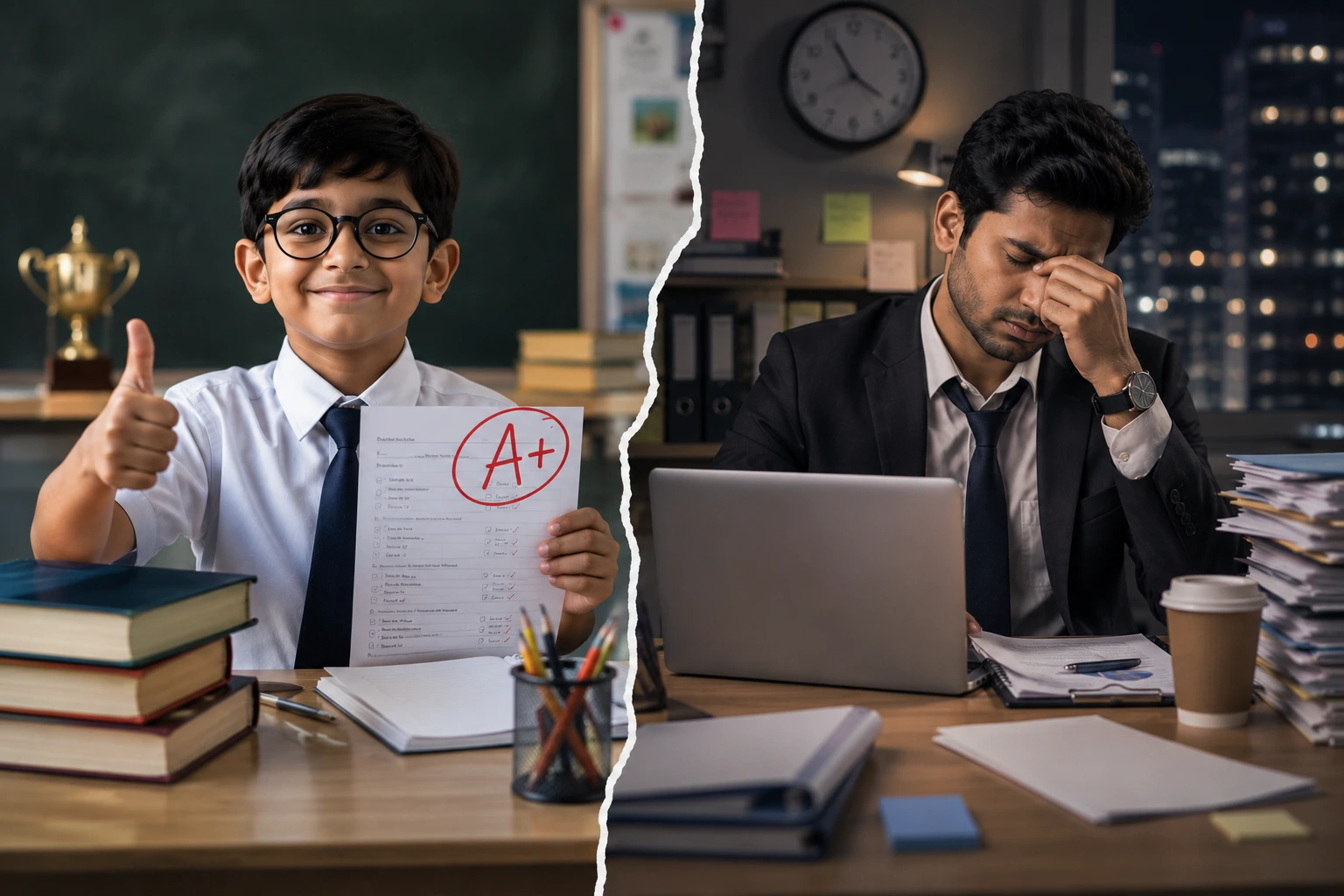
Many graduates enter the workforce expecting their academic achievements to translate directly into workplace success. Then reality hits. After all, communication, teamwork, and problem-solving often look very different outside the classroom.
As workplace expectations continue to change, the gap between academic learning and real-world skills has become harder to ignore. Understanding this divide helps explain why some graduates adapt quickly while others need time to adjust.
Let’s examine the skills valued in each environment.
What Academic Learning Trains You For

Academic learning gives students a strong base in theoretical knowledge, structured reasoning, and subject-specific concepts. Teachers design curriculum around measurable outcomes, and that has real value.
That said, education built mostly around exams tends to reward memory over application. Students learn to absorb information, but not always to use it under pressure.
In the classroom, theoretical understanding grows steadily over the years of study. The challenge is that knowledge alone does not always prepare students for the messier, less predictable demands of real life.
Where Real-World Skills Come In
Real-world skills cover a wide range, including communication skills, financial literacy, adaptability, and the ability to make decisions independently. These are what employers consistently ask for.
In fact, many employers report that college graduates arrive with strong academic records but struggle to communicate effectively or manage basic workplace tasks. Many employers now place as much value on soft skills as they do on academic qualifications.
Moreover, practical learning, internships, and project-based work all help students develop these skills before entering the workforce. A recent study found that 77% of graduates said they learned more during their first 6 months at work than they did during their entire four-year education.
Student Readiness in High School and Higher Education
Student readiness is one of the most talked-about issues in education right now. Schools and universities have spent decades refining academic standards, yet employers continue to report gaps in workplace preparedness.
As a result, it focuses on helping students leave school with both the knowledge and practical abilities needed to succeed in modern workplaces. Many educators and employers agree that job readiness involves more than academic performance.
Are Young People Leaving School Job-Ready?
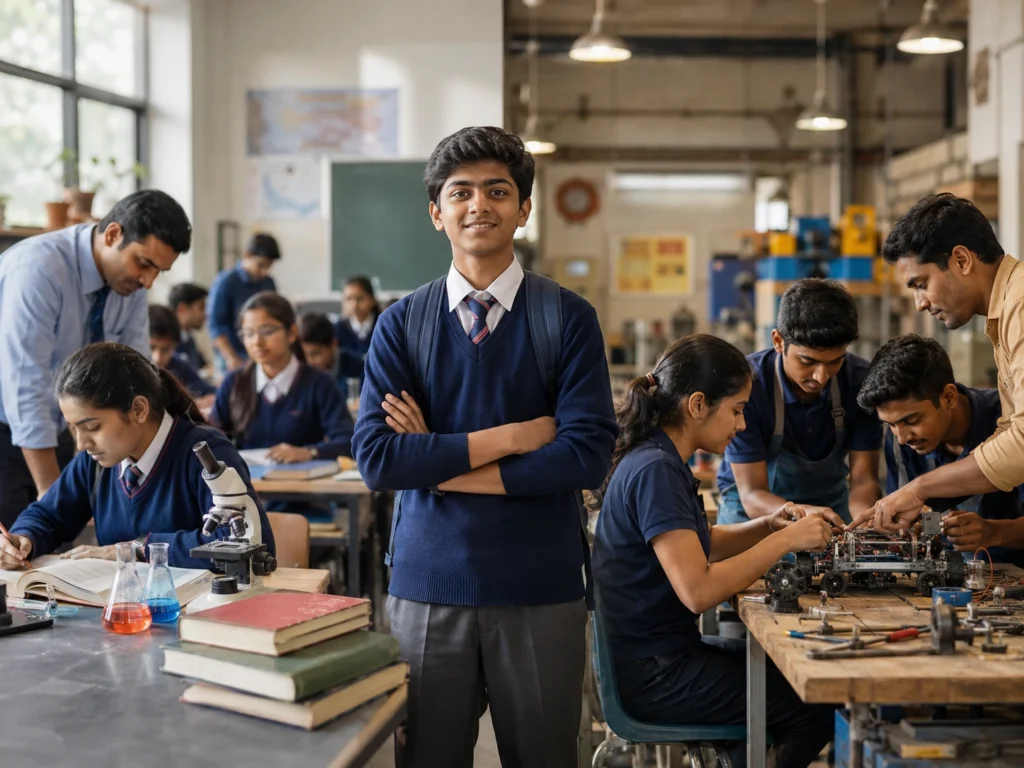
Most research points to the same conclusion: many high school graduates are leaving school without the practical skills employers need. That is a difficult truth for the education system to sit with.
Likewise, young people are often well-versed in academic theory but underprepared for basic workplace expectations. Things like professional communication, showing up consistently, and managing a workload do not always feature in the curriculum.
In fact, a study shows 24% of hiring managers say recent college graduates are unprepared for the workforce. Educators are increasingly aware of this disconnect, and some schools are beginning to respond. But understanding the scale of the problem is the first step toward fixing it.
Problem Solving and Time Management: The Skills Schools Often Miss
Problem-solving and Time Management skills are among the most requested by employers, yet neither appears consistently on a standard school timetable.
Here are some of the most common skills college students wish they had developed earlier:
- Problem Solving: Employers expect staff to analyse issues and find solutions without constant guidance, a skill many students are still developing.
- Time Management: For many young people, the shift from teacher-managed schedules to self-directed planning can be challenging.
- Communication: Clear emails, productive meetings, and professional conversations demand skills that are rarely taught explicitly in school.
These are not minor gaps. Students who develop these abilities early tend to succeed far more confidently across learning experiences at college and beyond.
Practical Learning and Case Studies That Work
Practical learning is not a new idea, but schools that do it well are still very much in the minority. The strongest learning outcomes often happen when students apply knowledge in real situations rather than simply studying concepts in theory.
These experiences help bridge the gap between education and employment in ways traditional classroom instruction often cannot. Here is what the evidence actually shows:
Essential Skills You Can Build Outside the Classroom
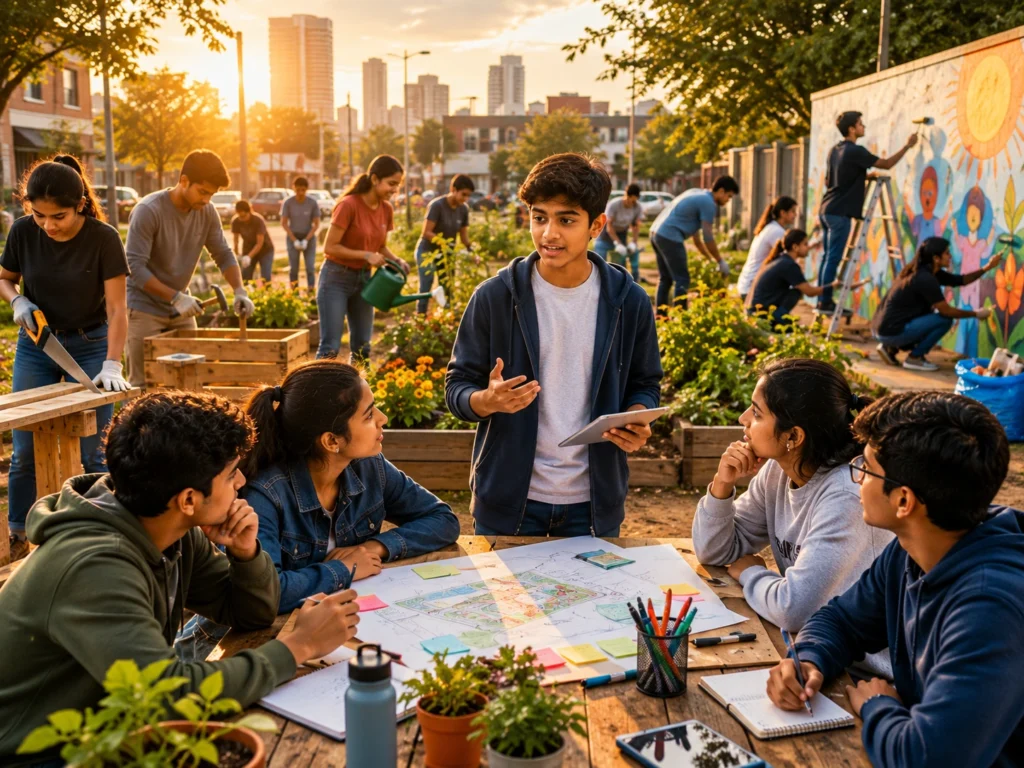
Not everything worth learning is taught inside a classroom. Volunteering, part-time work, and community clubs all help young people develop communication, responsibility, and leadership in ways that school simply cannot replicate.
Today, online courses and self-directed learning also give students access to resources well beyond their school timetable. Personal development does not have to wait for a teacher to introduce it.
Parents and educators both have a clear role to play here. Encouraging learners to explore opportunities outside school is one of the most fruitful things they can do to support long-term practical training and growth.
Real Case Studies: Practical Learning in Action
It’s easy to argue in theory that practical learning works. But research and real case studies show what it looks like when schools and universities get it right.
For example, in Finland, students often take part in project-based and phenomenon-based learning from an early age. Lessons connect multiple subjects through real-world themes, which helps them apply what they learn in practical situations rather than relying solely on memorisation.
The UK has also expanded vocational pathways alongside traditional academic qualifications. This gives students more options to combine classroom learning with practical skills.
All these changes show a growing belief that academic study and hands-on experience can work together instead of being separate paths.
What Should Students Actually Focus On?
Academic achievement and real-world skills work best together. Classroom learning builds knowledge and thinking skills, while practical experience helps students use them in real situations.
Students who build both are better prepared for future study and work. Grades still matter, but success also depends on communication, adaptability, problem-solving, and a willingness to keep learning.
At Juergens Meyer, we work with young people to build the rounded skill set that modern life demands. If you want to find out how we can support your child’s development, we would love to hear from you.